Frequently asked questions
Quick answers before you choose.
Do robot vacuum and mop combos actually mop effectively?
They work well for light maintenance mopping on hard floors, removing dust, dried spills, and surface grime. They are not a replacement for a manual deep scrub on heavily soiled floors, but for regular upkeep between deeper cleans, most modern combo models perform reliably.
How important is obstacle avoidance if my floors are usually clear?
If your floors are consistently tidy, a lower obstacle-avoidance count is less critical. However, even in neat homes, cables, chair legs, and pet items appear unexpectedly. A model with stronger avoidance simply completes more runs without interruption, which adds up over time.
What does a self-cleaning mop station actually do?
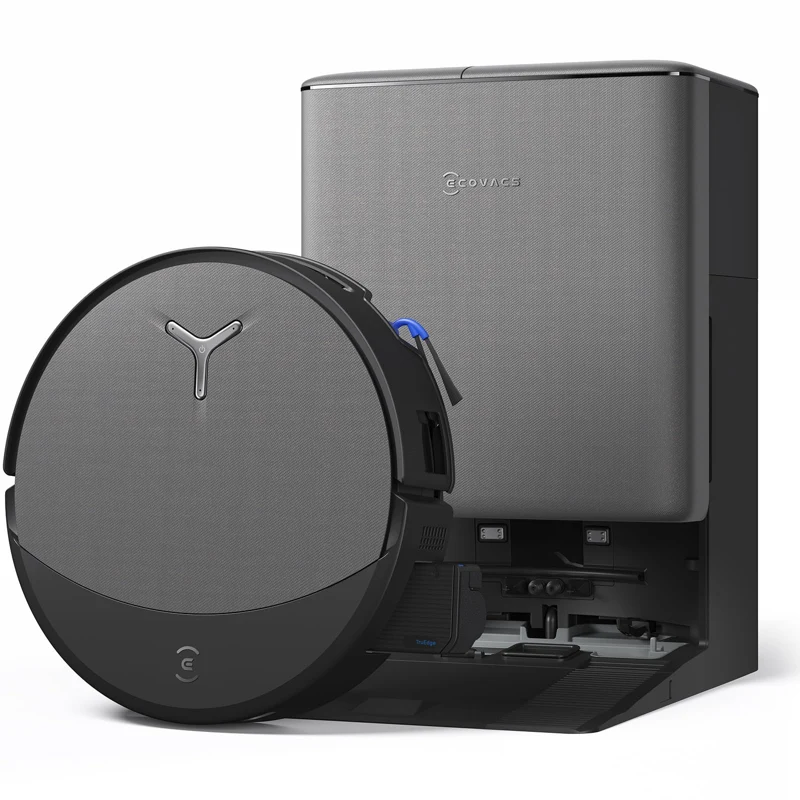
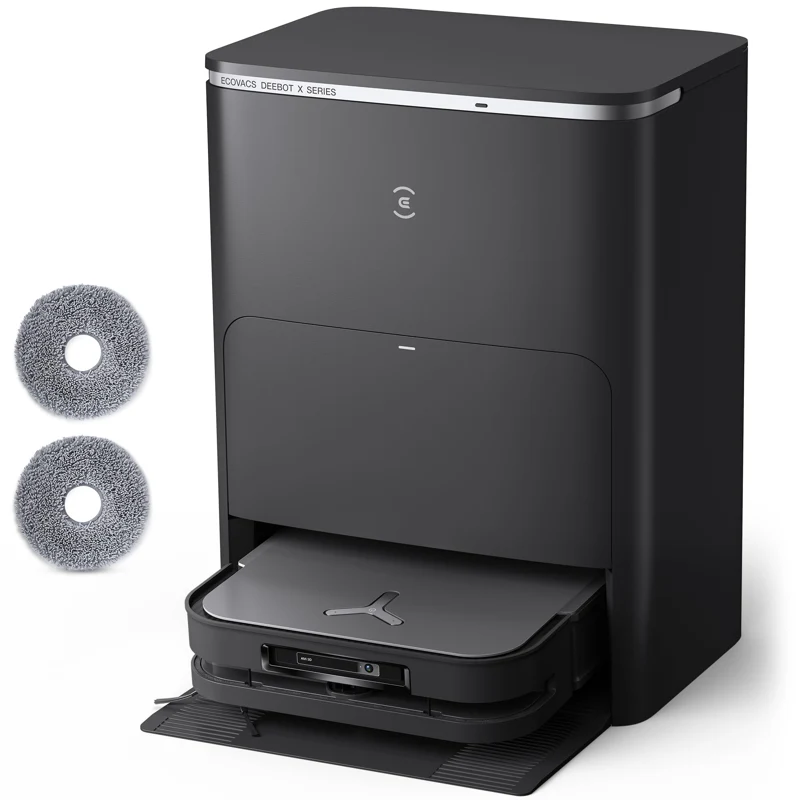
It rinses the mop pad after a cleaning run, and some models use heated water to sanitize it and then dry it to reduce odors. This means you do not need to manually remove and wash the mop pad after every use, which is the main practical benefit.
Can these robots handle transitions between carpet and hard floors?
Most models in this guide manage standard transitions automatically. Robots with higher obstacle-crossing clearance, such as those rated for 3 inches or more, handle thicker rugs and raised thresholds more reliably. If you have many floor-type transitions, that spec is worth checking specifically.
How often do I need to maintain a robot vacuum with a base station?
With a full-featured station that empties, washes, and dries, hands-on maintenance can be reduced to checking the dustbin bag every few weeks and occasionally cleaning sensors and brushes. The exact interval depends on floor area, pet hair volume, and how frequently the robot runs.