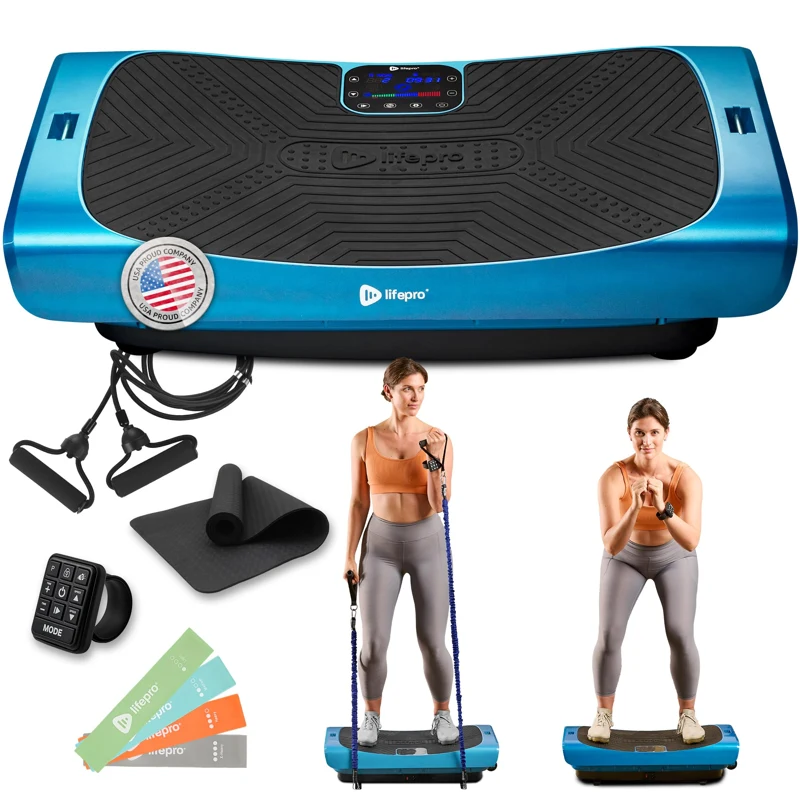
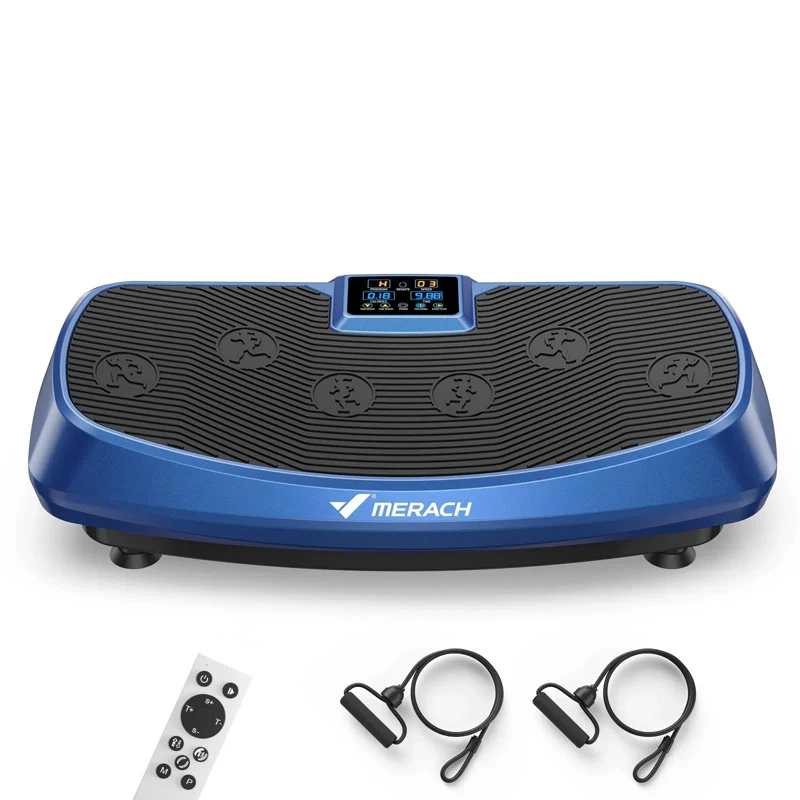
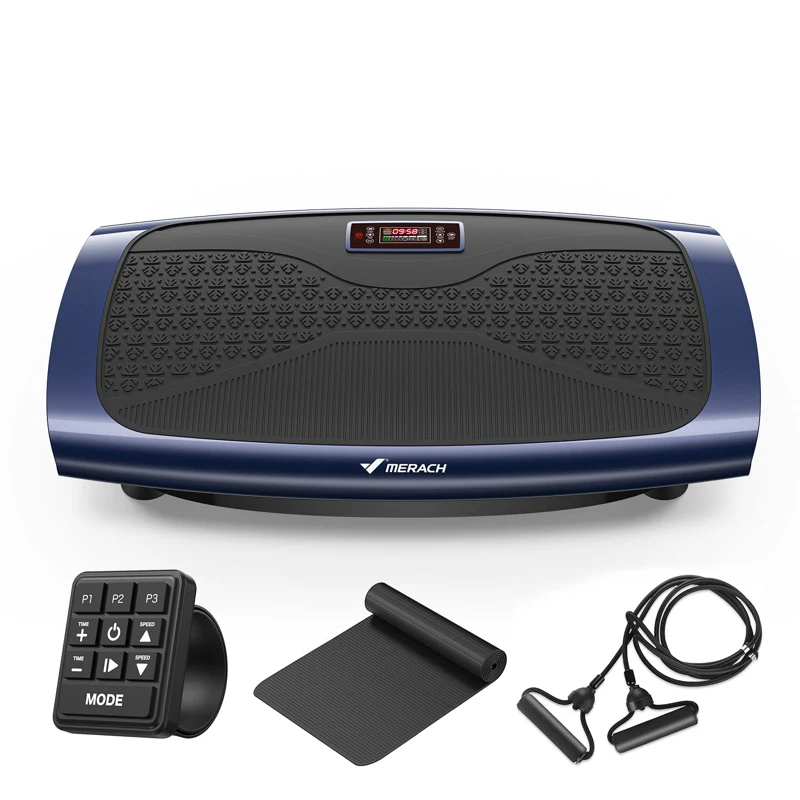
Choosing a vibration plate is harder than it looks. The market is crowded with machines that look similar on the outside but differ significantly in motor type, vibration pattern, speed range, and platform stability. Buying the wrong one often means a machine that feels underpowered, too loud, or simply too limited after a few weeks of use.
What separates a capable vibration plate from a frustrating one comes down to a few key factors: the number of vibration modes, how finely you can adjust intensity, the weight capacity, and whether the platform shape actually suits your stance. Extras like resistance bands, remote controls, and Bluetooth speakers add convenience but should not substitute for solid core performance.
Vibration type and motor count
Vibration plates use different movement patterns: oscillation tilts side to side, linear vibration moves straight up and down, and 3D or 4D machines combine multiple directions. More motors generally produce richer, more complex vibration. If you want variety in how muscles are engaged, look for machines with at least two modes or a multi-motor configuration rather than a single oscillating motor.
Speed range and presets
A wider speed range lets you start gently and progress over time without buying a new machine. Preset programs are useful if you prefer guided sessions rather than manually adjusting intensity each time. Beginners often benefit from more presets, while experienced users tend to prefer a wide manual speed range. Consider which approach matches how you actually plan to use the machine day to day.
Weight capacity and platform size
Weight capacity determines whether the machine is structurally appropriate for your body weight, and platform size affects which exercises are comfortable to perform. A curved platform encourages a specific foot position that some users find more natural. If you plan to do exercises beyond basic standing, such as push-ups or lunges, a larger flat platform may give you more room to work with.